Monday, 6 June 2016

Guest Article: The Time I Intentionally Insulted a Candidate I was Recruiting… by Ben

I’d love to say that I am perfect and haven’t ever made a mistake in my career, but we all know that just isn’t the case. While this isn’t like the time I set an ATM on fire, it is one of those moments that I relive over and over again with more than a little remorse. See if you can learn any lessons from my own experience…

Years ago I was recruiting for technical writers to join a growing team that I was putting together to support a government contract. Instead of the usual ones and twos, I was hiring a dozen people for this position at one time. It wasn’t your run of the mill tech writer opening, either. I was looking for people with experience writing to military specifications. I needed writers that could do some illustrations. I also needed at least one of the hires to know how to be a “provisioner,” the hardest job I’ve ever had to fill (yes, even harder than helicopter instructor pilots).

The skill set was very obscure, and I had to sift through tons of unqualified resumes to find the few that were a good fit. All this was capped off by an unreasonable deadline set by the customer–a surefire recipe for disaster.

Despite all of the things working against me, I was feeling pretty confident. We had an employee referral or two, and since it is a relatively tight community, I was able to get feedback on some candidates to know which would be a good fit and which wouldn’t before investing time into building rapport with each. I had a great first round of interviews with our pool of applicants, and we were moving a good number of them forward to talk with the hiring manager and the technical lead on the team.

I was working long hours, as I usually did during heavy recruiting seasons of the year. As with many small companies, I was wearing all of the HR hats, and recruiting was one of many of my duties. When a big effort spun up, it would put other things on hold, no matter how critical they might be. I’ll never forget trying to set up a performance improvement plan for a staff member, investigate another for harassment, and try to find a pilot to go to Hawaii for a year-long contract. I survived those hectic weeks purely on Diet Mountain Dew, which I no longer consume.

Anyway, I was working hard. One thing that I have always felt was a differentiator for me as a recruiter and HR leader was that I put the extra effort into communications, and it had paid off. I got massive results from my LinkedIn invitations to candidates. I had high readership and engagement from internal staff on HR communications I developed. I knew that skill set, while it took time that could be used on other activities, was going to continue paying dividends over time. But one day, for some reason, I snapped.

Yes, I snapped. If you’ve ever met me in person, you’d have a hard time believing I could snap at anything. And yet I did. 

One of the candidates I was chasing for the final slot had been leading me on and was slowly becoming less responsive as the days went by. I thought I might be losing him, but despite everything I put into every conversation, there didn’t seem to be a way to turn it around.

Finally I asked him point blank what the issue was. Why was he backing off? Was there something I could do to fix it?

And the guy responded with something that drove me over the edge.

He said that he had heard the company wasn’t very good to its employees and that he wasn’t interested in working at a place like that.

And it happened. I. Went. Off. 

Now, before I tell you what I said, I want you to understand something. I had worked for the company since it was a startup. I knew every employee and spouse by name, and I was pretty darn good about knowing their kids, too. People loved the company and the work. We had phenomenal leadership and a great mission. We prided ourselves in taking care of our people financially, professionally, and personally.

One time, an employee’s house blew away in a tornado on his first day of work. We all pitched in to make sure he had leave to cover his time away with his family to pick up the pieces. We really worked hard to take care of these people just like they were family. I agonized over absolutely every detail to make sure the company was the kind of place that I would be proud of my own kids working for. I had employees from our partner companies calling me daily asking how they could join our team because our employees were so darn happy with their jobs and the company.

And this guy had the nerve to lie and say that we didn’t care. 

I responded back to the guy and told him that after reviewing his resume, I didn’t think he was a good fit for the company. Now, or ever. We didn’t need people like him on the team anyway. Good riddance. So long, jerk…

And you know what? I felt great! It was so awesome to get that off my chest.

For about five minutes.

Then I realized I had just treated this guy the way that the fictional company he imagined us to be would have done. And I am still kicking myself all these years later for doing it and proving him right.

Within half an hour I sent an apology, attempting to salvage the contact for future efforts even though I knew it was probably toast. The next morning I immediately went to my boss and explained what I had done, telling her that I had even apologized after the fact. She knew that I was going to beat myself up about it worse than anything she could do, so she let me off the hook.

What’s the lesson here? The moral of the story? Well, we all know that we should never respond to anyone, in any situation, in a spirit of anger. That time it got the best of me. I also learned that I should never respond to emotionally-charged situations via email on my cell phone, because I tend to be more direct and less concerned with the message in general when I’m responding via that method. Painful reminders that stick with me to this very day. The final one is to try and keep stress from getting to you. Yes, it’s easier said than done, but we all know it never leads to positive outcomes.

Oh, and in case you’re wondering, the guy never replied back to anything. I never talked with him again, and I can’t even remember his name at this point. But I will never forget where I was and what I was doing when I read that note from him. Or how it felt when I realized what I had done.

Over the years I’ve recruited many, many more people. I’ve never again responded to any of them, no matter the situation, in anger or in a way that would embarrass the company or myself. That was a painful lesson to learn and one that still haunts me when I think about it, but I am glad to know that it only took one instance to make it stick with me.

Ever done anything embarrassing as an HR or recruiting pro? Feel free to respond anonymously in the comments. 


Article source:Ben - The Time I Intentionally Insulted a Candidate I was Recruiting…»

Check out more of Ben Uebanks' work at Upstart HR

Guest Article: Wearable Technology At Work by Melissa Fairman

  If it seems like everyone is wearing a Fitbit or a smart watch, you aren’t completely imagining it.  According to a recent report, 21 million items were sold in the wearable technology category (Pebble, Fitbit, smart watch, etc;) in 2014 and the sector anticipates a 48% compound annual growth rate.  Right now the biggest […]

Continue reading...


Article source:Melissa Fairman - Wearable Technology At Work»

Check out more of Melissa Fairman's work at HR Remix

Guest Article: The One Thing Your Leadership Success Depends On by Jennifer Miller

christine porath quote

This quote comes from Christine Porath’s WorkHuman session called, “Civility: Do We Have Time to Be Nice at Work?” Christine is an associate professor of management at Georgetown University. She’s studied civility in the workplace for the past twenty years and has conducted some fascinating research regarding the ways people interact in the workplace.

Christine framed the quote in a leadership context, saying it’s imperative that leaders show the courtesy of the small gestures like smiling, showing concern and generally treating people with respect.

I thought this quote was so powerful. It raised many questions for me, such as:

  • Is this a quote that pertains only to leaders?
  • Is a leader’s job to get people to “give more?”
  • Does how you show up really “mean everything” to most people?
  • Is this the best measure of a leader’s success?

Please join in: What questions occur to you as you read this quote? How can this quote help you become a better leader – of yourself – and of others?


Article source:Jennifer Miller - The One Thing Your Leadership Success Depends On»

Thursday, 2 June 2016

How to Become a 'Networking Natural'

In the increasingly competitive society we all live in it is getting more and more difficult to ‘stand out’ from the crowd. Never has the adage: “it’s not what you know but who you know” been more relevant! How can you get to know key figures that can help you get your foot in the door so to speak, or potentially even land that dream job you’ve always wanted? The answer: networking.

Networking is simply about forming associations and building relationships with people involved in the profession you are working in/would like to work in. But for some people the term ‘networking’ is enough to send shivers of dread and cause sweaty palms. Done well, it can set you apart from other candidates and leave a good impression with those who may be involved in recruitment. Done poorly, people may come across as fake or self-serving. The other extreme is not networking at all and sticking with a group of familiar people. This doesn’t help you in the long run.

This article aims to provide some techniques to make networking more manageable and natural for the budding networker.

Don’t think of it as networking!

Some people get turned off at the word ‘networking’ because this makes connections seem false and only meant for personal gain. Think of your meeting as making new friendships with people and genuine connections.

Be genuine

Ask friendly questions to build rapport and to show that you’re genuinely interested in what the other person has to say. Such questions may include: “what do you do at XX company? What is the work like at XX company? Where do you see the industry in 5 years from now?”

Don’t feel like you need to stand out

You don’t have to be the funniest person or the smartest in the room. Having those expectations on yourself will just reinforce the ‘networking’ fears and you can end up feeling fake.

Don’t feel like you need to ‘agree’ with everything

Having an individual opinion and stating so shows that you are an independent thinker. But challenge within reason and be open to the opinions of others – this shows your team work abilities too.

Find like-minded individuals

Begin by finding someone who engages at your level (or a level that you feel comfortable with) and spend a bit of time ‘practicing’ your networking questions and behaviour. This can also help build your confidence at networking.

Don’t aim too high (at first)

If networking is hard in general don’t go to the CEO of your dream company at your first go. Get to know the staff and managers below the CEO – know a bit about that CEO indirectly and gain that initial confidence before you meet them face-to-face and try your networking skills. Getting to know the CEO and the company beforehand also shows that you have done your research. Before you go up to the CEO and tell her about your stamp collection, make sure she is interested in stamps! It may not be true that: "philately will get you everywhere". (Sorry!)

Keep in contact

This is one tip people generally tend to forget. Just because you meet and had a good conversation with someone once doesn’t mean they will remember you forever. Share business cards and keep in contact with the person. For example, if you had an interesting discussion about Australia’s financial instability, send a follow-up email with a relevant article/paper you’ve read. This not only shows YOU’VE remembered that person but that you are up to date with the latest happenings in your field. Maintaining a genuine connection with the person means validating the conversation you’ve had.

What can you do for them? 

Reciprocity is fine, but see what you can do for someone else before you ask them to do something for them. Thinking about what this may be, really tends to focus your attention on the conversation and remember what has been said.

Networking is about getting to know people in your profession. Building these good connections may help you get a job in the company, build new friendships and people who could help you further your career.  One final piece of advice - the first step in networking is to get out and make a start!

Guest Article: Interview questions to avoid and what to ask instead by Ross Clennett

Eight years ago I wrote this blog about interviewing. At the time (28 May 2008) it was my third blog about interviewing in eight months of blogging. In the 96 months since I have written an additional 30 blogs about interviewing and assessment. After eight years I had hoped that I could have reported an upsurge in interviewing skills amongst recruiters. Sadly, I cannot. Recruiters are still
Article source:Ross Clennett - Interview questions to avoid and what to ask instead»

Check out more of Ross Clennett's work at hisblog

How to manage your job demands and resources!

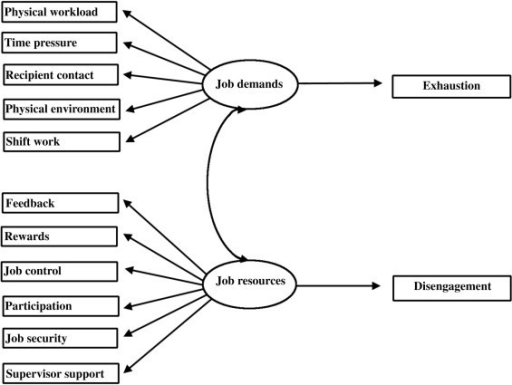
Feeling stressed? Overwhelmed? Or just unsure about what your role entails? You could be feeling this way because the demands of your job are high, but the resources you have access to are low. No wonder you might sometimes feel it is hard to do your job effectively! Understanding the various factors which lead you to feeling stressed will help you to become more self-aware and insightful about the certain things within your job which create negative feelings. This is very important! If we can acknowledge and hone in on the specific factors which make our jobs more challenging, it gives us a better opportunity to come up with targeted strategies to help improve these stressors and also means we are better prepared for a conversation with our superiors if we need help managing these challenges. 


The Job Demands-Resources (JD-R) model can be used to predict employee burnout and engagement, and consequently organisational performance.The central assumption of the JD-R model is that job strain develops – irrespective of the type of job or occupation – when (certain) job demands are high and when (certain) job resources are limited. See the diagram below for examples of job demands and job resources and how they can negatively lead to exhaustion (health-impairment process) and disengagement (motivational process).


Finding the balance between job demands and appropriate resources can be a challenge for organisations and for employees. For organisations to elicit the best performance from their employees, it is important to provide appropriate resources for employees so that job demands are maintained at level which does not create extra stress or pressure. For employees, it is important to identify what types of job demands can elicit feelings of stress and to combat these negative feelings using evidence-based health and well-being strategies such as mindfulness, exercise, maintaining a healthy diet and getting enough sleep. In other words- keep striving for the sometimes elusive work-life balance!
  

Wednesday, 1 June 2016

Guest Article: In Our Mind by Jay Kuhns, SPHR

Group think. 

Let that phrase roll around in your head for a minute. Group Think.

Is it positive? 
Is it the corporate equivalent of a lynch mob? 

Thinking Is Good
It sounds funny to say it out loud, but thinking through the challenges we face is a really good thing. Except, there always seems to be a little voice in our head that cautions us about our thinking.

"What will the other leaders think of that crazy idea?"

"That will surely be a career-limiting decision if you push too hard."

"Remember the tricky behind-the-scenes alliance of those leaders who conspire against those who don't do things their way."

That little voice is annoying as hell...and is just as wise.

Thinking Is Bad
Sadly, the pressure cooker of leadership brings doubt, fear, and worry about our decisions when in reality we should be excited about the energy our teams create together.

We should be fired up about a new day to solve problems, help people breakthrough to the next level in their leadership, and help our team members feel even more valued than yesterday.

But that little voice...


How About You
How do you handle that voice that tells you to slow down...don't take risks...fall in line...and maintain the status quo? I used to listen obediently as a member of the executive club.

Until I realized that's not what real executives do. So I listened to my own voice instead, and decided that taking risks and kicking ass was not only a lot more fun...it actually helped me get the work done.

Which voice are you going to listen to?

I'd love to hear from you.

No Excuses.

pic 

Article source:Jay Kuhns, SPHR - In Our Mind»

Check out more of Jay Kuhns' work at No Excuses HR